Dry cupping
Cups create suction without breaking the skin. This may be considered as part of selected acupuncture, sports massage, or deep tissue massage appointments.
Dry cupping is a technique that may be added to selected acupuncture, sports massage, and deep tissue massage appointments; it is not a separate dry-cupping appointment. Silvia Ferreira offers wet cupping, also known as Hijama when performed in that tradition, as a separately booked treatment. Silvia can also discuss dry cupping during acupuncture, while Molly McDermott and Lauren Terry can discuss it as part of sports massage or deep tissue massage. Every session begins with a suitability assessment.
We review your health history, goals, and any reasons a particular type of cupping may not be appropriate.
For dry cupping, book acupuncture, sports massage, or deep tissue massage and ask whether the technique is appropriate as part of that appointment. Wet cupping or Hijama has its own booking route where available.
The selected approach is delivered by a practitioner trained in that technique. We explain aftercare, temporary marking, and when to seek medical advice.
Cupping therapy in Bournemouth
Cupping uses specially designed cups to create suction on the skin. At SoCo Therapies, we explain the different treatment routes before you book and check your health history, symptoms, and goals before treatment.
Dry cupping may be included within selected acupuncture, sports massage, or deep tissue massage appointments when your practitioner considers it appropriate. Wet cupping, also known as Hijama when performed in that tradition, is booked separately where available.
We welcome enquiries from Bournemouth, Christchurch, Poole, Southbourne, Ferndown, Verwood, Ringwood, New Milton, Bransgore, Wimborne, and surrounding Dorset areas.
How cupping works
Cups create suction without breaking the skin. This may be considered as part of selected acupuncture, sports massage, or deep tissue massage appointments.
This separately booked treatment involves controlled skin pricks after suction. Your practitioner will explain the process and check suitability first.
The number of cups, suction level, treatment area, and duration are selected around your health history, comfort, and reason for booking.
Why choose SoCo Therapies
Silvia can discuss dry cupping within acupuncture, while Molly and Lauren can discuss it within suitable massage appointments. Wet cupping is listed as a separate route.
We adapt the approach around your symptoms, health history, comfort, and goals instead of assuming the same treatment suits everyone.
We explain temporary marks, aftercare, and when another treatment or medical assessment is the more appropriate option.
Preparing for your session
Tell the clinic about your health history, medicines, pregnancy, skin conditions, bleeding or clotting concerns, recent surgery, infection, or open wounds. Your practitioner will explain whether dry or wet cupping is appropriate and what the session involves.
Cupping can feel tight or pulling, and temporary circular marks or bruising can occur. Your practitioner will check your comfort throughout and explain simple aftercare, including when to contact the clinic or seek medical advice.
Frequently asked questions
Cupping uses cups to create suction on the skin. Dry cupping leaves the skin intact, while wet cupping involves controlled skin pricks and is booked separately. Your practitioner will explain the approach and check that it is suitable for you.
Dry cupping is currently offered as a technique within selected acupuncture, sports massage, and deep tissue massage appointments. Ask your practitioner whether it is appropriate for your treatment plan.
Yes. Wet cupping, also known as Hijama when performed in that tradition, has a separate booking route where available. The practitioner will explain the process, expected temporary marks, aftercare, and any reasons it may not be appropriate.
Cupping can feel tight, pulling, or unusual, but it should not be unexpectedly painful. The intensity and duration are adapted to your comfort, and you can ask your practitioner to stop or adjust the treatment at any time.
Cupping can leave temporary circular marks or bruising where the cups have been applied. Your practitioner will explain this before treatment and provide aftercare guidance.
Tell the clinic about your health history, medicines, pregnancy, skin conditions, bleeding or clotting concerns, recent surgery, and any infection or open wound. Your practitioner will advise whether cupping is appropriate or whether another route should be considered.
The price depends on whether you book acupuncture, sports massage, deep tissue massage, or a separate wet cupping appointment. Check the current booking route or contact the clinic for the latest appointment details.
Your care team
Choose from the practitioners currently listed for this treatment on SoCo Therapies' Jane booking pages.

Chinese Acupuncture + Shiatsu Massage Therapist
MAA, RARA
Offers wet cupping as a separately booked treatment. Dry cupping may also be included in acupuncture sessions when appropriate.
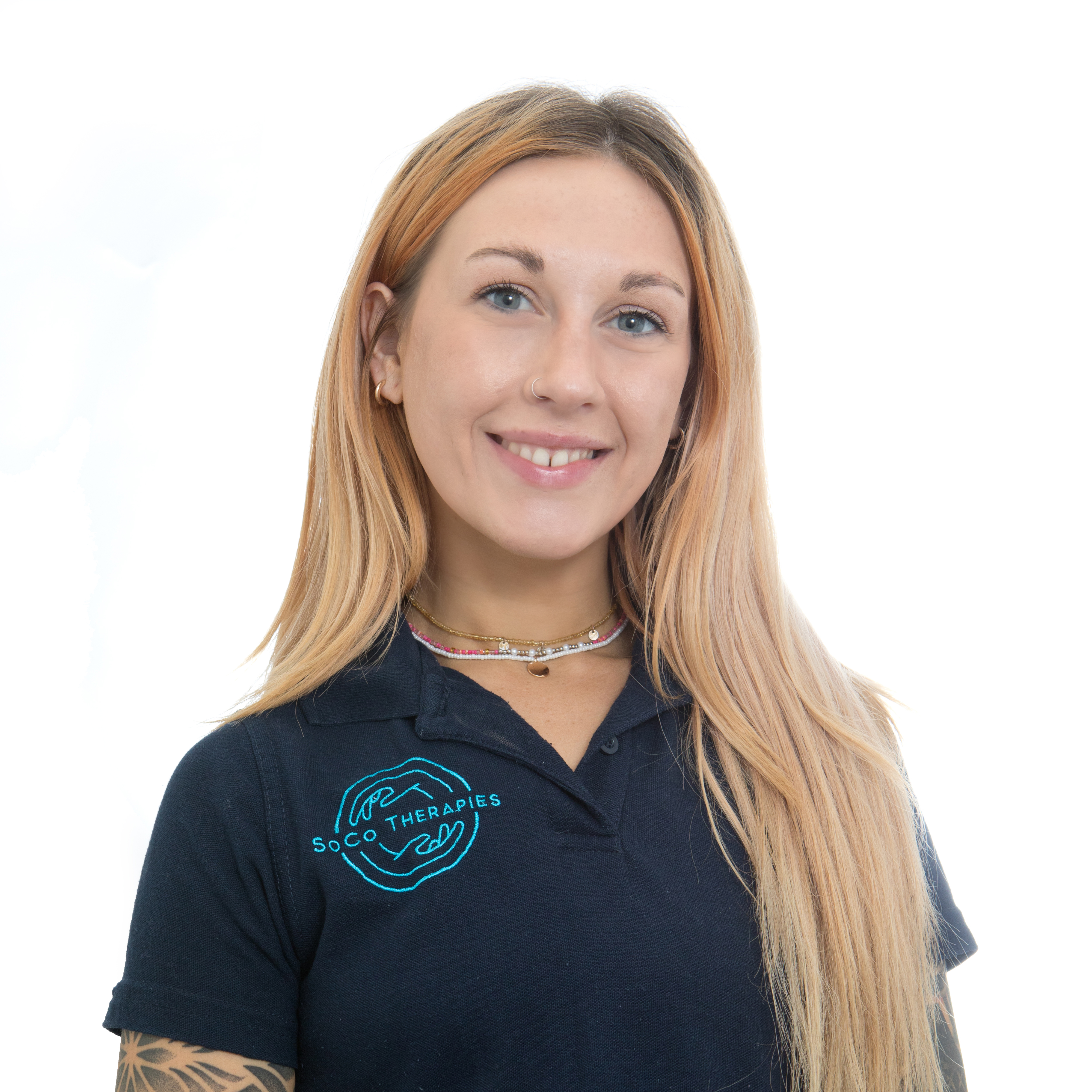
Sports Massage + Pregnancy Massage Therapist
Sports Massage and Pregnancy Massage training, Bournemouth University
Uses dry cupping when appropriate as part of sports massage or deep tissue massage sessions.
Sports Massage Therapist
Master’s degree in Osteopathy, European School of Osteopathy
Uses dry cupping when appropriate as part of sports massage or deep tissue massage sessions.
Choose the right route
Dry cupping may be included in selected acupuncture, sports massage, and deep tissue massage appointments. Silvia, Molly, and Lauren can discuss whether it is suitable as part of the relevant treatment.
Wet cupping may be available as a standalone treatment. Use the booking link to check availability, or contact the clinic if you need help choosing.
Book wet cupping / HijamaStart with a free 15-minute consultation - no obligation, no cost.
Free ConsultationBook Online