
Assessment
We discuss your symptoms, health history, activity, and previous care, then check whether shockwave is appropriate.
Shockwave therapy uses mechanical acoustic waves applied to a specific area of the body. It may be considered for persistent tendon and soft-tissue concerns after an assessment confirms that it is suitable for you.
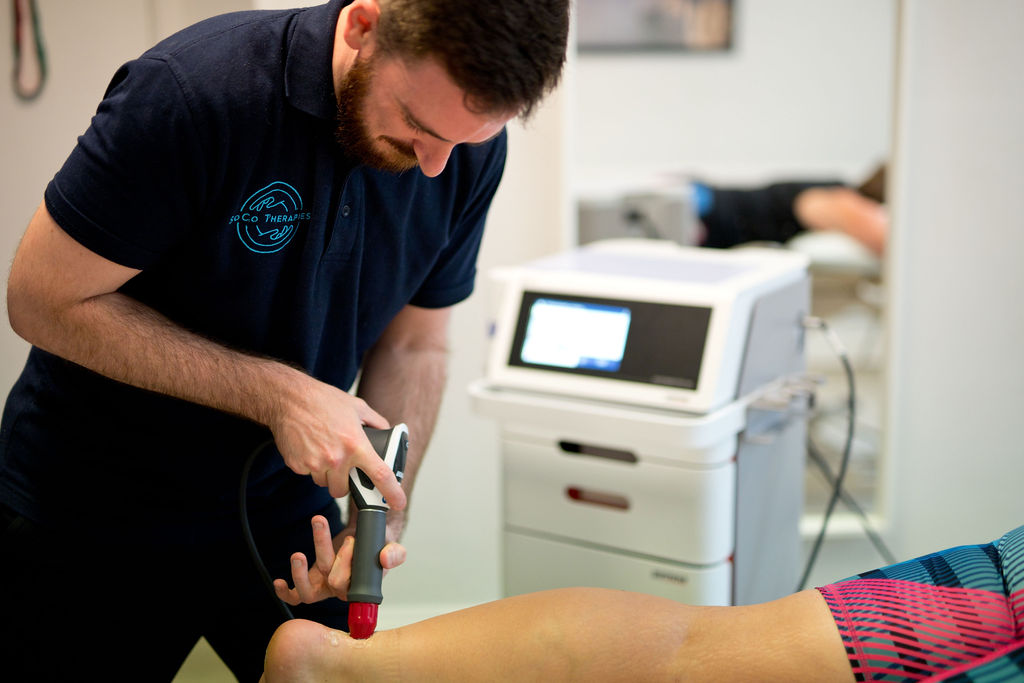
We confirm suitability and identify the precise area for treatment.
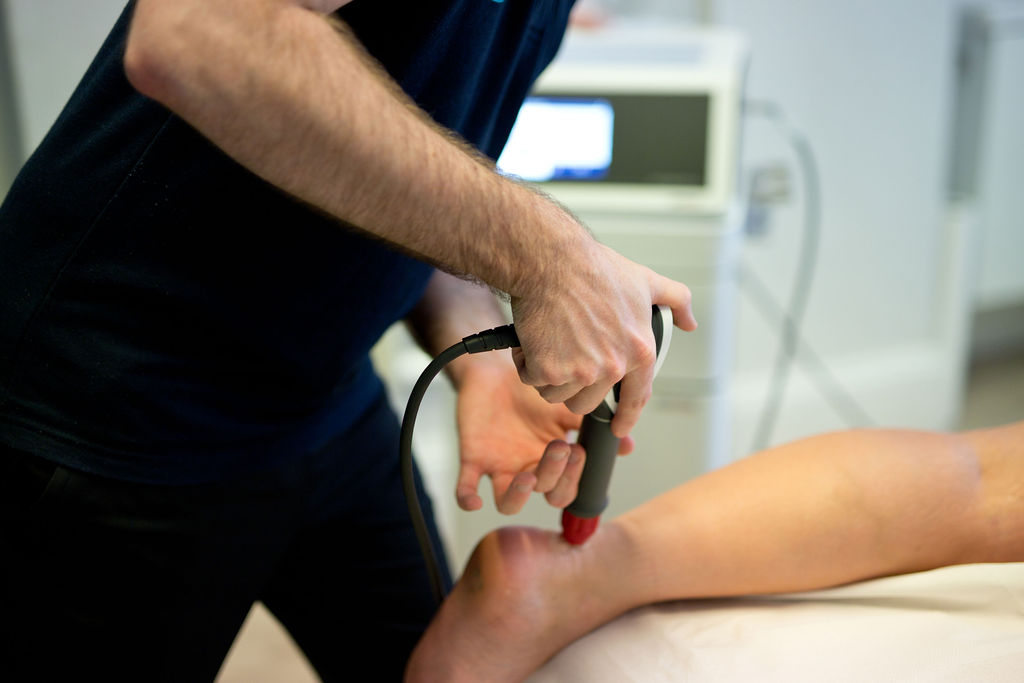
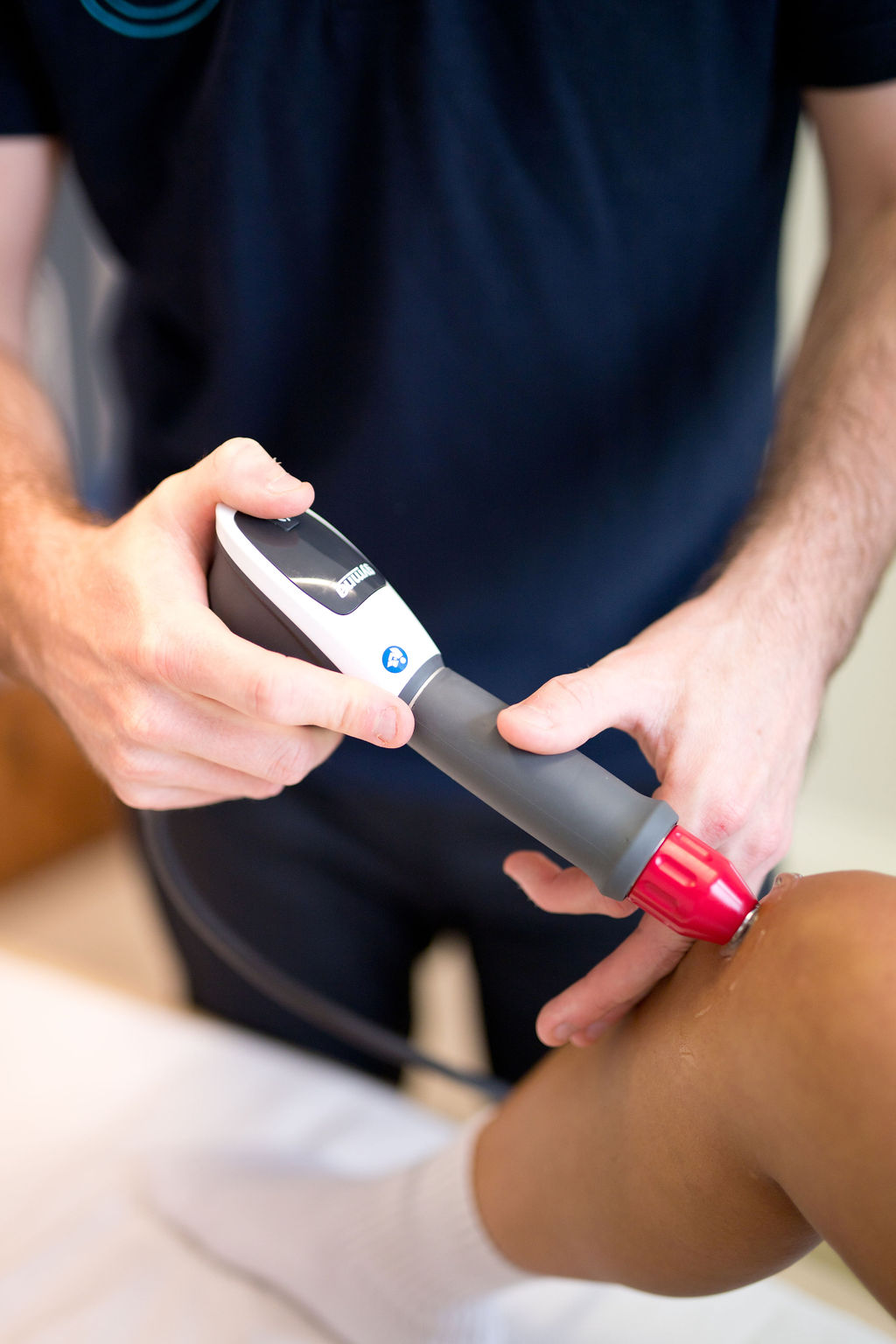
Acoustic waves are applied to the affected area, with settings adjusted to your presentation and comfort.
Exercise and loading protocols are prescribed to support tissue healing between sessions.
Shockwave therapy in Bournemouth
Shockwave therapy uses mechanical acoustic waves applied to a specific area of the body. It is often considered when a tendon or soft-tissue problem has not settled with time, activity changes, exercise, or other conservative care.
At SoCo Therapies, treatment starts with an assessment. Your practitioner will discuss your symptoms, check whether shockwave is suitable, and explain how it can fit with rehabilitation and your everyday goals.
How it works
We discuss your symptoms, health history, activity, and previous care, then check whether shockwave is appropriate.
A handheld applicator delivers acoustic waves to the area being treated. Settings are adjusted to your presentation and comfort.
You receive practical advice about activity and loading, with follow-up sessions arranged only when they are clinically appropriate.
Conditions commonly considered
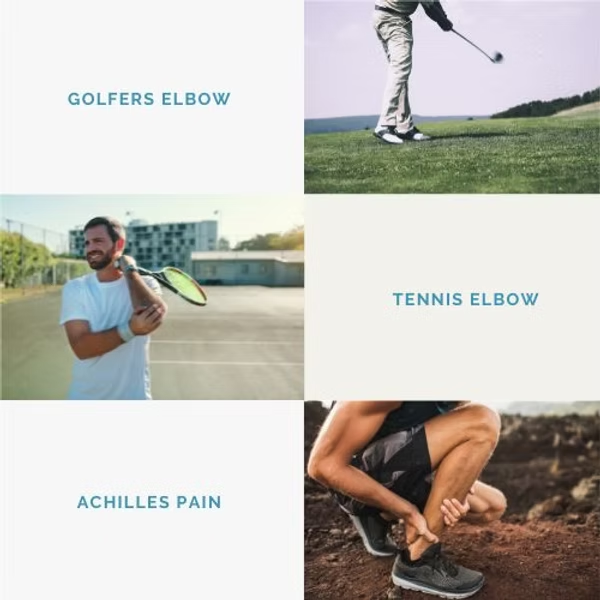
Shockwave may be discussed for persistent tendon and soft-tissue concerns including plantar fasciitis, Achilles pain, tennis elbow, golfer's elbow, patellar tendinopathy, rotator cuff tendinopathy, and some calcific tendon problems.
These labels can describe different underlying problems. An assessment is important, particularly if your symptoms are new, worsening, associated with significant weakness, or have not been medically investigated.
Evidence-aware care
Research into extracorporeal shockwave therapy has explored its use for several tendinopathies and plantar heel pain. Results vary by condition, treatment protocol, and the individual, so evidence does not mean a guaranteed outcome for every patient.
We use the appointment to set realistic expectations and to decide whether shockwave, rehabilitation, another service, or onward medical advice is the most suitable next step.
Before you book
Please mention pregnancy, bleeding or clotting conditions, blood-thinning medication, diabetes, nerve problems, implanted devices, cancer, infection, wounds, recent surgery, or anything else that may affect treatment. Your practitioner can then advise whether shockwave is suitable or whether another route is safer.
Shockwave can feel intense or uncomfortable at the treatment site. Temporary tenderness, redness, bruising, or sensitivity may occur. Tell the practitioner if the sensation is too much so the settings can be reviewed. Seek medical advice for symptoms that concern you or do not settle.
Patient feedback
“The shockwave therapy was explained clearly and the treatment was tailored to me. I felt listened to throughout.”
“A professional and reassuring experience from start to finish. The team took the time to answer my questions.”
“I was made to feel comfortable and well looked after. I would recommend SoCo Therapies.”
Shockwave therapy location
Shockwave appointments are currently listed at our Bournemouth clinic on Holdenhurst Road. We welcome enquiries from Christchurch, Southbourne, Poole, Westbourne, Winton, Boscombe, Ferndown, and surrounding Dorset areas. Contact the clinic if you would like to discuss suitability before booking.
175 Holdenhurst Road, Bournemouth, BH8 8DQ
Frequently asked questions
Shockwave therapy is commonly considered for persistent tendon and soft-tissue problems such as plantar fasciitis, Achilles tendinopathy, tennis elbow, golfer's elbow, patellar tendinopathy, and some rotator cuff or calcific tendon problems. Suitability depends on your symptoms and assessment.
You may feel a tapping or sharp, uncomfortable sensation while the applicator is used. The intensity can usually be adjusted, and any discomfort is discussed throughout the appointment. Mild tenderness afterwards can occur and normally settles.
A common course is several sessions spaced over a number of weeks, but the right plan depends on the condition, how long you have had it, and how you respond. Your practitioner will explain the likely schedule after assessment rather than promising a fixed result.
Your practitioner will give you individual aftercare and loading advice. You may be asked to avoid strenuous activity that aggravates the area for a short period, while continuing appropriate movement and rehabilitation between appointments.
Shockwave may not be appropriate during pregnancy, over an active infection or open wound, near a tumour, or for some people with bleeding or clotting conditions, blood-thinning medication, nerve problems, or certain implanted devices. Tell your practitioner about your health and medication before treatment so they can check suitability.
It can form part of a wider rehabilitation plan when appropriate. Your practitioner may discuss exercise, activity modification, sports therapy, osteopathy, or other support. Shockwave should be chosen as part of an assessment-led plan, not as a replacement for medical diagnosis.
Related support
Shockwave therapy may be one part of care for a stubborn tendon or soft-tissue problem. Explore Sports Therapy for rehabilitation and return-to-activity support, or Osteopathy for another hands-on assessment route. If you are unsure where to start, book a free 15-minute consultation.
Your care team
Choose from the practitioners currently listed for this treatment on SoCo Therapies' Jane booking pages.
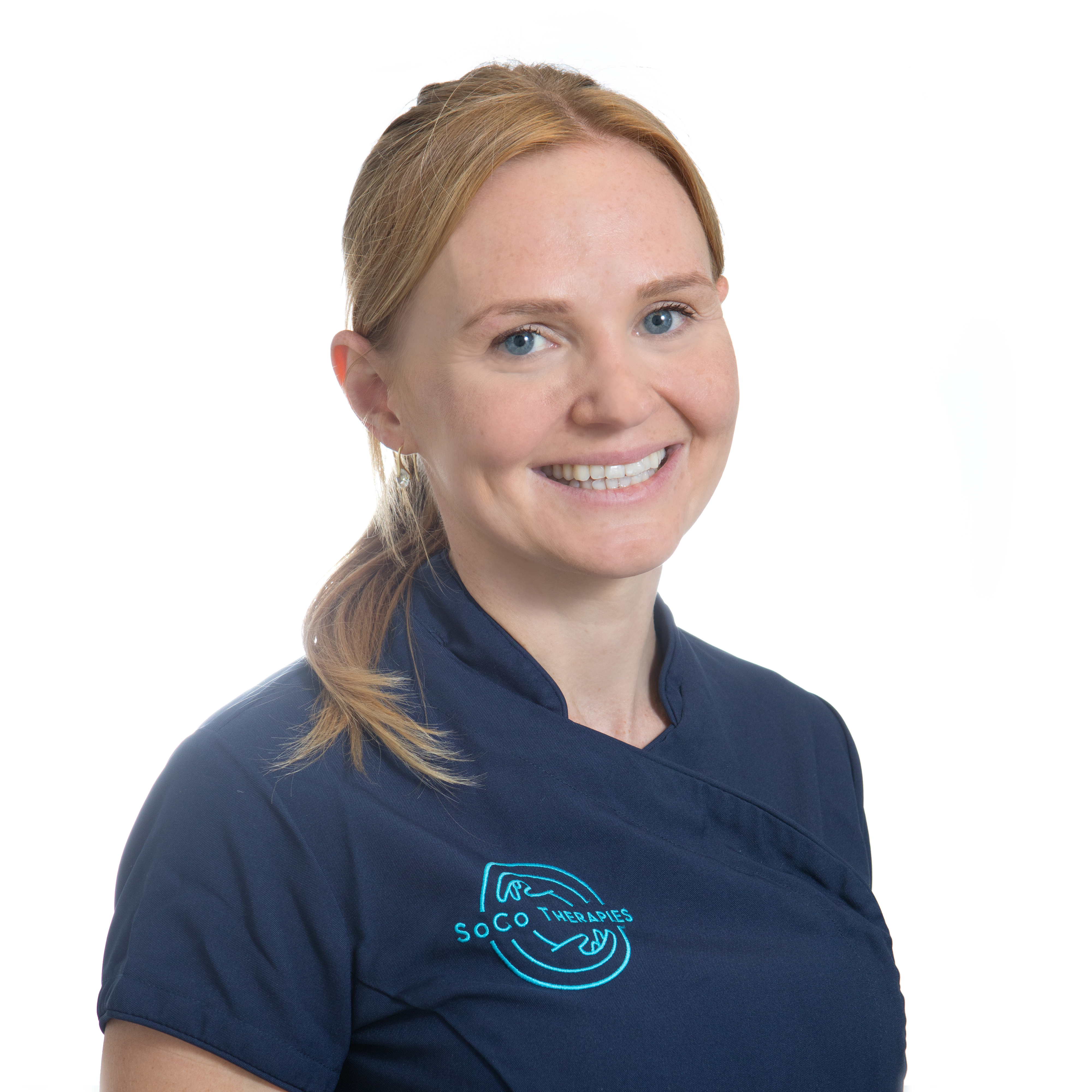
Osteopath + Founder
Masters in Osteopathy (M.Ost), Swansea University

Sports Therapist + Sports Massage Therapist
BSc, MSc Sports Therapy, University of Gloucester (2018)

Start with a free 15-minute consultation - no obligation, no cost.
Free ConsultationBook OnlineCupping Therapy
Wet cupping and Hijama are booked separately, while dry cupping may be used within acupuncture, sports massage, or deep tissue massage when appropriate.
Dry Needling
A targeted needling technique used within an individual treatment plan.
Reflexology
A relaxing complementary treatment focused on the feet.