
Sports Massage for Golfers
Golf puts more demand on your body than many people realise. Jayde Fowler explains how sports massage can support mobility, recovery, and a more comfortable swing.
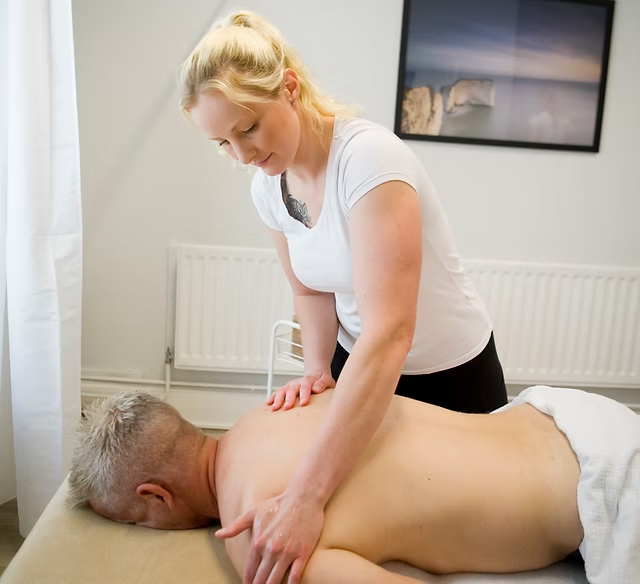
Golf is often described as a leisurely sport, but anyone who plays regularly knows how much it asks of the body. A round involves repeated rotation, a fast change of direction through the swing, and plenty of time spent walking, standing, bending, and carrying or pulling a bag. By the final few holes, your lower back, hips, shoulders, forearms, or elbows may be working much harder than you expected.
Here at SoCo Therapies, we treat a lot of golfers. Some come in because a niggle is starting to affect their swing, while others book a session after a long weekend of golf when their back or shoulder has had enough. We see people who play at Parkstone Golf Club, Ferndown Golf Club, Broadstone, Queens Park, and Meyrick Park, as well as golfers from across Bournemouth, Poole, and Dorset.
Sports massage for golfers is not about trying to force your body into a particular shape or treating every golfer in the same way. It is about understanding how you move, what your golf is asking of you, and where your body is starting to compensate. From there, treatment can help you move more comfortably, recover between rounds, and stay active for longer.
Why does golf put strain on the body?
A golf swing is a powerful, coordinated movement. Your feet and hips create a stable base, your spine rotates, and your shoulders, arms, and hands transfer that movement into the club. When one part of the chain is stiff or tired, another area often has to work harder.
- Repeated rotation through the lower back and mid-back
- Loading through the hips, knees, and ankles during the swing
- High demand on the shoulders, chest, and upper back
- Repetitive gripping and wrist movement through every shot
- Walking several miles while carrying or pulling golf equipment
- Long periods of sitting in the car before or after a round
This does not mean golf is bad for you. In fact, it can be a brilliant way to stay active. It simply means that your body benefits from the same preparation and recovery that we would recommend for many other sports.
How can sports massage help golfers?
The right treatment depends on what we find on the day. A golfer with a stiff upper back may need a different approach from someone with a sore forearm or a recurring lower-back problem. A session might include deeper work in selected areas, gentler massage around sensitive tissues, joint movement, stretching, or advice to help you manage the things you do between appointments.
1. Supporting a smoother swing
Good golf requires enough movement through the hips, upper back, and shoulders to rotate without forcing the lower back to do all the work. Reducing unnecessary muscle tension and improving your available range of movement may make it easier to get into a comfortable address position and complete your swing.
2. Reducing muscle tension after a round
It is common to notice tightness after a long day on the course, particularly around the glutes, hip flexors, lower back, calves, forearms, and shoulders. A focused sports massage can help settle that feeling of heaviness and make it easier to move normally the following day.
3. Helping you manage recurring niggles
A small ache can become a much bigger problem when it is ignored for months. We often see golfers who have gradually changed their swing, grip, or posture to avoid a sore area. Treatment does not replace a proper assessment, but it can be part of a wider plan to understand what is contributing to the problem and what you can do next.
If your pain is around the inside or outside of the elbow, you may also find our golfers' elbow guide useful. Persistent or worsening pain should always be assessed rather than played through.
4. Supporting recovery between rounds
If you are playing several times a week, your body may not have much time to recover before the next round. A treatment plan can be useful during a busy golfing period, particularly when combined with sensible rest, hydration, sleep, and a little mobility work. Our sports massage service is tailored to your symptoms, your training or playing schedule, and how you respond to treatment.
Which areas do golfers usually need treated?
There is no single golfer's body, so we do not use a fixed routine. That said, these are some of the areas we commonly discuss and assess:
- Lower back and the muscles around the pelvis
- Glutes and hip flexors
- Mid-back and the muscles between the shoulder blades
- Chest and shoulders, especially if rotation feels restricted
- Forearms and hands after repetitive gripping
- Calves and hamstrings after walking a full course
The treatment area is not always the painful area. For example, if the lower back is taking too much load during your swing, we may also look at the hips and upper back. We will explain what we are doing and why, so you are not left wondering why your shoulder is being treated when your back is the thing that brought you in.
Deep tissue massage or sports massage for golf?
Deep tissue massage can be useful for areas that feel particularly tight or overloaded, but deeper is not automatically better. For some golfers, a full-body sports massage is more helpful because it allows us to look at how different areas are working together. We may combine deeper techniques with trigger point work, myofascial techniques, movement, and lighter work around more sensitive areas.
If you are new to treatment, our guide to the 10 benefits of sports massage explains how it can support active people more generally. Your session should still be adapted to you, rather than copied from a standard routine.
Should you have a massage before or after golf?
Both can be useful, but the treatment should be different. Before golf, a shorter and lighter session may help you feel mobile without leaving the muscles feeling heavy. A deeper treatment is usually better scheduled away from your tee time, giving your body time to settle and recover.
After golf, treatment can focus on areas that have worked hard during the round. If you have had a particularly long or demanding day, you may benefit more from rest, food, water, and sleep first, followed by treatment when your body has had a chance to calm down.
What happens during a sports massage for golfers?
Before we start, I will ask about your golf, your usual activity levels, and what has brought you in. I may ask which hand you play with, how often you are on the course, whether you carry your bag, and whether the problem appears during the swing, after a round, or at rest. Those details help us build a much clearer picture.
We will then assess how you are moving and agree the focus for the session. You should be able to tell us if the pressure is too much or if something does not feel right. The aim is effective treatment, not a competition to see how much discomfort you can tolerate.
A note from Jayde
I enjoy treating golfers because there is always a practical reason behind the way they move. You might be preparing for a competition, trying to get through a monthly medal without your back tightening up, or simply hoping to enjoy a round with friends without paying for it the next day. We can work with all of those goals.
You do not need to be a professional golfer to benefit from treatment, and you do not need to wait until you are in significant pain. Sometimes the most useful time to come in is when you notice your movement changing or a familiar niggle returning. Early advice can be much simpler than trying to undo a problem after it has been building for months.
Book a sports massage in Bournemouth
If you want to move more comfortably on and off the course, speak to the team at SoCo Therapies about Sports Massage. We can talk through what you are experiencing and help you choose the right next step. Call 01202 422000 or email wecare@socotherapies.co.uk.
Book a free consultationFAQs
Are massages good for golfers?
Yes. A tailored massage can support flexibility, reduce muscle tension, help you recover after a round, and highlight areas that may be affecting your movement. It should form part of a wider approach that includes rest, strength, mobility, and appropriate assessment when needed.
Can I play golf after a sports massage?
It depends on the type and timing of treatment. A lighter session may be suitable before golf, while it is generally sensible to allow your body time to recover after deeper work. Your therapist can advise you based on the treatment and your plans.
How do you massage a golfer?
There is no single routine. Treatment often considers the lower back, hips, shoulders, upper back, forearms, and legs, but the focus should be guided by your movement, symptoms, playing schedule, and goals.
Should you get a massage before or after golf?
Both timings can be useful. A shorter, lighter treatment may help you prepare before a round, while a post-round treatment can support recovery. Deeper work is usually best planned away from your tee time.
How often should a golfer have a sports massage?
There is no standard schedule. Some golfers book treatment around competitions or busy periods, while others come in when a recurring issue starts to develop. The right frequency depends on your symptoms, activity levels, and how you respond to treatment.